Inquiry

Project Review

Machining

Quality Control

Pass/Fail

Delivery
Low Noise Dry-type Transformer for Quiet Operation: The Ultimate Guide
In today’s industrial, commercial, and residential environments, noise pollution is a growing concern—especially in spaces where equipment runs 24/7 or quiet comfort is non-negotiable. For power distribution systems, the low noise dry-type transformer for quiet operation is a game-changing solution, combining the reliability and safety of dry-type technology with ultra-quiet performance that meets strict noise standards. Whether outfitting a data center, hospital, office building, or residential complex, this transformer ensures uninterrupted power without compromising peace and productivity.
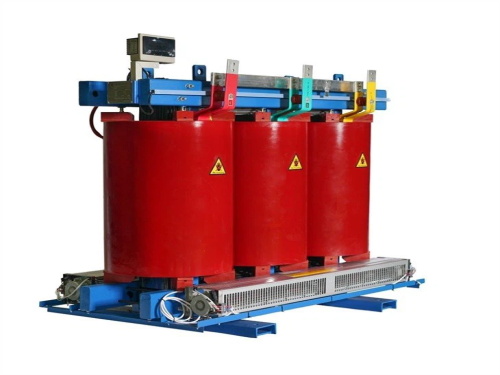
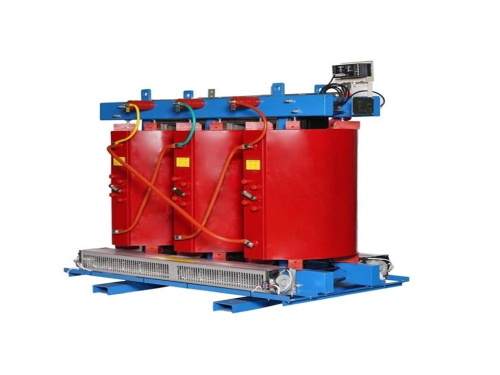
Dry-type transformers are already preferred over oil-immersed alternatives for their fire safety, low maintenance, and eco-friendliness—no oil means no leak risks or environmental contamination. Enhanced with low-noise technology, they elevate performance, making them ideal for noise-sensitive applications where traditional transformers are too disruptive. Let’s explore what makes a low noise dry-type transformer for quiet operation unique, its key benefits, applications, and how to choose the right model.
The primary source of transformer noise is magnetostriction—the slight expansion and contraction of the core material when exposed to alternating current, creating vibrating sounds. Low-noise models address this with innovative design and high-quality materials: precision-engineered silicon steel cores minimize magnetostriction, while advanced insulation and damping materials reduce vibration transfer. Optimized windings and robust enclosures further dampen sound, keeping noise levels as low as 30-50 decibels—comparable to a quiet conversation or office background noise, well below industry averages.
Beyond reduced noise, low noise dry-type transformers for quiet operation retain all core dry-type advantages: high efficiency, long lifespan, and minimal maintenance. Their low-noise design doesn’t compromise performance—they deliver stable voltage regulation, low power loss, and reliability even under heavy loads. For businesses, this means lower energy costs, less downtime, and compliance with increasingly strict noise regulations in urban areas, healthcare facilities, and residential zones. Their compact, lightweight design also eases installation in tight, noise-critical spaces.
Versatility is a key strength, with ideal use cases across noise-sensitive environments: Data centers, which operate 24/7, need stable power and quiet to protect sensitive equipment and support technicians—low-noise transformers avoid adding to server and cooling system noise. Healthcare facilities require calm for patient recovery and accurate diagnostic equipment operation; a low noise dry-type transformer for quiet operation powers operating rooms and ICUs without disrupting patients or staff.
Commercial buildings (offices, hotels, luxury apartments) prioritize tenant comfort—these transformers eliminate traditional humming and vibration, improving satisfaction and property value. Educational institutions (schools, universities, libraries) benefit from distraction-free power for classrooms and labs, supporting learning and research. Residential complexes, especially high-rises with shared utility spaces, rely on them to avoid disturbing residents, even when installed near living areas.
When choosing a low noise dry-type transformer for quiet operation, focus on key factors: First, check the decibel (dB) rating—aim below 50 dB for most noise-sensitive spaces, and 30-40 dB for critical environments like hospitals or data centers. Next, match capacity (kVA) to your power needs—models range from 10kVA (residential/small commercial) to 2000kVA+ (industrial). Insulation class is also important; Class F or H offers better thermal stability and reduces vibration-related wear.
Material quality matters: Look for grain-oriented silicon steel cores (minimize noise), copper windings (high conductivity/durability), and epoxy resin insulation or VPI (better damping). A robust, sound-damping enclosure (e.g., steel with foam insulation) further reduces noise transfer. Ensure compliance with international standards (IEC, CE, UL, ISO 9001) for quality and safety, and meet local noise regulations to avoid fines.
Finally, choose a trusted manufacturer with low-noise transformer experience and comprehensive after-sales support—installation guidance, maintenance, and replacement parts ensure long-term efficiency. In conclusion, a low noise dry-type transformer for quiet operation is essential for applications prioritizing noise reduction, reliability, and safety. It combines dry-type benefits with innovative noise-dampening, delivering consistent power without disruption. For high-quality units meeting strict standards, contact us today to find your perfect power distribution solution.

The main products include oil immersed transformers, dry-type transformers, power transformers, amorphous alloy transformers, mining transformers, box type substations, high and low voltage switchgear and supporting products
Add: South Head of Mount Huangshan Road, Liaocheng Development Zone, Shandong, China
Email:derun@drtransformer.com
Tel: +86 13706354419
 English