Inquiry

Project Review

Machining

Quality Control

Pass/Fail

Delivery
Why Oil-immersed Transformers Are Preferred for Power Plants?
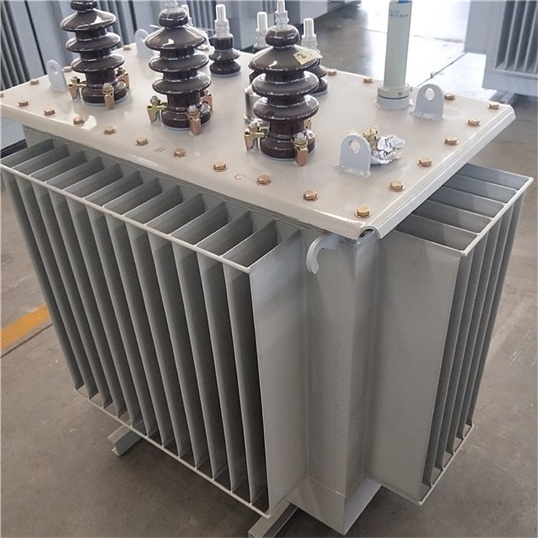
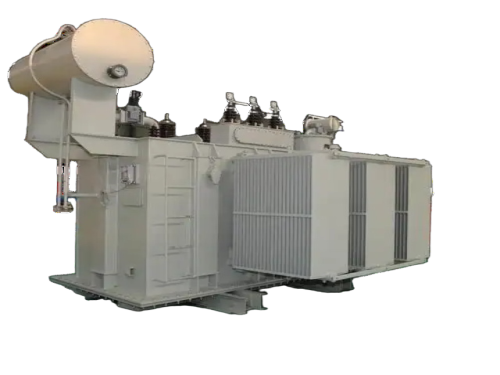
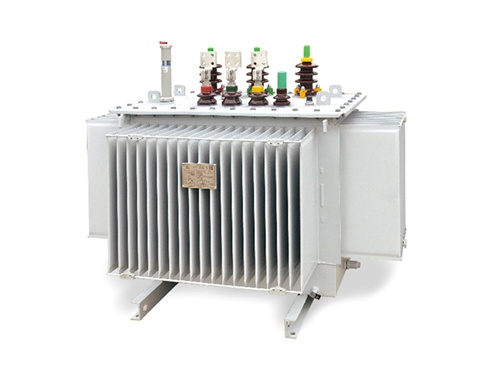
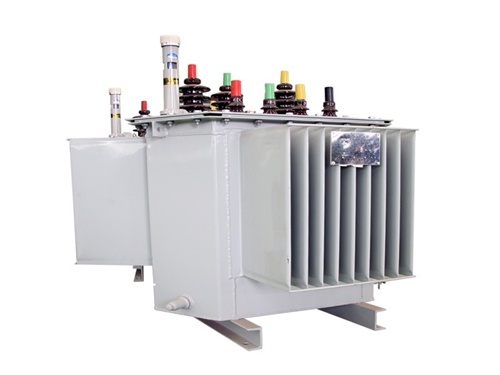
Power plants, as the core of energy supply systems, have extremely high requirements for power transmission and distribution equipment—stability, efficiency, heat dissipation, and durability are non-negotiable criteria. Among various transformer types, oil-immersed transformers have become the preferred choice for thermal power, hydropower, wind power, and solar power plants. Their unique structural design and performance advantages perfectly match the harsh operating conditions and high-load demands of power plants.
Superior Heat Dissipation Capacity Meets High-Load Demands
Power plants operate with continuous high-load conditions, where transformers generate massive heat during energy conversion. Oil-immersed transformers use insulating oil as both a cooling medium and insulation material, delivering far better heat dissipation performance than dry-type alternatives. The insulating oil circulates naturally or via forced cooling systems, quickly transferring heat from the core and windings to the tank surface, ensuring the transformer operates within a safe temperature range (usually 65℃ to 85℃ for the top oil temperature).
For large-scale power plants with unit capacities exceeding 1000MW, oil-immersed transformers can be equipped with advanced cooling systems such as forced oil circulation air cooling (OFAF) or forced oil circulation water cooling (OFWF). These systems enhance heat dissipation efficiency by 30% to 50% compared to natural cooling, enabling stable operation even under extreme load fluctuations— a critical requirement for power plant grid connection and power transmission.
Excellent Insulation and Voltage Resistance for Power Transmission
Power plants require transformers to handle high voltage levels (ranging from 110kV to 1000kV) for long-distance power transmission. Oil-immersed transformers use high-quality insulating oil combined with cellulose insulation materials, forming a robust insulation system that resists high voltage breakdown and electrical aging. The insulating oil also fills gaps in the transformer, preventing air insulation weaknesses and reducing the risk of partial discharge.
Unlike dry-type transformers, which are limited by insulation materials in high-voltage applications, oil-immersed transformers can be customized for ultra-high voltage scenarios. For example, 500kV oil-immersed power transformers are widely used in cross-region power transmission projects, with insulation performance meeting IEC 60076 and GB/T 1094 standards. This reliability ensures uninterrupted power transmission, avoiding costly downtime for power plants.
Durability and Adaptability to Harsh Power Plant Environments
Power plants—whether thermal, hydropower, or wind—often operate in harsh environments: thermal power plants face high temperatures and dust, hydropower plants deal with humidity and corrosion, and wind farms are exposed to extreme weather such as strong winds and low temperatures. Oil-immersed transformers feature hermetically sealed tanks or breathing systems with desiccants, effectively preventing moisture, dust, and corrosive gases from entering the internal components.
The core and windings of oil-immersed transformers are fully immersed in insulating oil, which provides corrosion protection and reduces mechanical wear during operation. With proper maintenance, their service life can reach 25 to 30 years, significantly longer than the 15 to 20 years of dry-type transformers. This long lifespan aligns with the long-term operation cycle of power plants, reducing replacement costs and maintenance workload.
Cost-Effectiveness and Scalability for Large-Capacity Projects
Power plants require large-capacity transformers (usually 50MVA to 1000MVA) to match their power output. Oil-immersed transformers offer higher capacity density at a lower cost compared to other types. For a 500MVA transformer, the cost of an oil-immersed model is approximately 20% to 30% lower than a dry-type equivalent, thanks to mature production processes and lower material costs.
Additionally, oil-immersed transformers support flexible customization to meet the specific needs of different power plants. For example, hydropower plants may require transformers with anti-seismic designs, while wind power plants need models adapted to variable-speed power generation. Manufacturers can tailor the tank structure, cooling system, and protection devices of oil-immersed transformers, providing one-stop solutions for power plant projects.
Conclusion
Oil-immersed transformers’ superior heat dissipation, high-voltage resistance, durability, and cost-effectiveness make them irreplaceable in power plant applications. They not only ensure stable and efficient energy conversion and transmission but also adapt to the harsh operating environments of various power plants. As the global energy industry moves toward large-scale and high-efficiency development, oil-immersed transformers will continue to be the preferred choice for power plants, supporting the reliable operation of the global power grid.

The main products include oil immersed transformers, dry-type transformers, power transformers, amorphous alloy transformers, mining transformers, box type substations, high and low voltage switchgear and supporting products
Add: South Head of Mount Huangshan Road, Liaocheng Development Zone, Shandong, China
Email:derun@drtransformer.com
Tel: +86 13706354419
 English