Inquiry

Project Review

Machining

Quality Control

Pass/Fail

Delivery
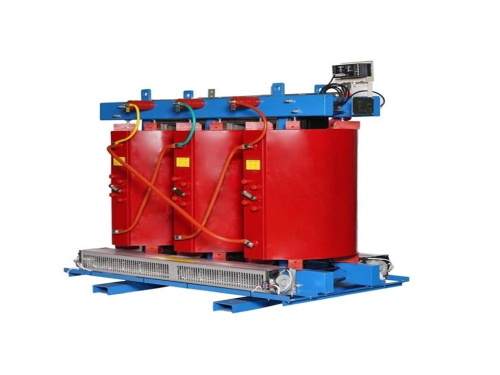
Drytype transformers are classified by insulation levels, which are mainly divided according to the allowable maximum temperature rise of the insulation material (under the rated operating state), and the insulation level is named after the maximum allowable temperature of the insulation material (the temperature of the hottest point of the winding).
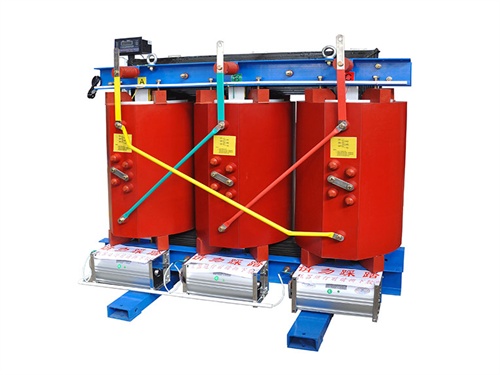
The common insulation levels of drytype transformers are as follows:
1. Class A insulation
The maximum allowable temperature of the insulation material is 105℃
The allowable temperature rise (based on the ambient temperature of 40℃) is 60K
Common insulation materials: cotton, silk, paper, etc., which need to be impregnated with insulating paint
It is rarely used in modern drytype transformers now
2. Class E insulation
The maximum allowable temperature of the insulation material is 120℃
The allowable temperature rise is 75K
This type of insulation is also less used in current drytype transformers
3. Class B insulation
The maximum allowable temperature of the insulation material is 130℃
The allowable temperature rise is 80K
Common insulation materials: mica, glass fiber, asbestos, etc., combined with organic adhesives
It was once a more commonly used insulation level in drytype transformers, and is now gradually replaced by higher insulation level types
4. Class F insulation
The maximum allowable temperature of the insulation material is 155℃
The allowable temperature rise is 100K
Common insulation materials: glass fiber, mica, etc., combined with hightemperature resistant organic adhesives
It is a widely used insulation level in drytype transformers at present, which can adapt to higher temperature working environments
5. Class H insulation
The maximum allowable temperature of the insulation material is 180℃
The allowable temperature rise is 125K
Common insulation materials: inorganic materials such as mica, glass fiber, and silicon rubber
It is suitable for drytype transformers in special hightemperature working environments, such as some industrial sites with high ambient temperature
6. Class C insulation
The maximum allowable temperature of the insulation material is above 180℃
Common insulation materials: polytetrafluoroethylene, quartz, etc.
It is only used in some special ultrahigh temperature working scenarios, and is rarely used in ordinary drytype transformers
The insulation level of the drytype transformer will directly affect its applicable environment, load capacity and service life. Generally, the higher the insulation level, the stronger the ability of the transformer to adapt to high temperature, and the longer the service life under the same working conditions.

The main products include oil immersed transformers, dry-type transformers, power transformers, amorphous alloy transformers, mining transformers, box type substations, high and low voltage switchgear and supporting products
Add: South Head of Mount Huangshan Road, Liaocheng Development Zone, Shandong, China
Email:derun@drtransformer.com
Tel: +86 13706354419
 English